WE HAVE SOME GREAT LIMITED-TIME OFFERS - CLICK HERE TO VIEW THEM WE SHIP WORLDWIDE    /    All UK ORDERS GREATER THAN £75 EX VAT DELIVERED FREE    /    WE SHIP WORLDWIDE    /    ALL EUROPEAN ORDERS GREATER THAN £500.00 ex VAT DELIVERED FREE    /    WE SHIP WORLDWIDE
    Share this page on Facebook   Share this page on LinkedIn   Share this page on Twitter   Share this page on Whatsapp   

    Rapid Ref : 1G9-RD  

    Gullco Katbak 1G9-RD 9.5mm Diameter Ceramic Weld Backing Tiles, 12m Box
    1G9-RD

    £47.59  EX VAT
     Buy in 3 easy interest free payments of £15.86† with

    This is a 9.5mm round tile suitable for X preps, K preps and single bevel, single v butt joints (similar to fillet welds) Suitable for welding with M.I.G./M.A.G. solid, flux cored or metal cored wires.

    Can be used as shown below.

    • Impart X-ray quality back beads on root pass
    • Weld one side only
    • Deposit more weld metal
    • Root weld and fill in one pass
    • Eliminate defects and rework
    • Eliminate costly unnecessary gouging and grinding
    • Sizes 1/4” (6.3 mm) to 6” (152.4 mm)
    • Special sizes and configurations available
    • Conveniently packaged and sealed in plastic for moisture-proof protection
    • Wider heat receptive pressure sensitive foil for improved adhesion to work piece

    12m - 40ft./ box
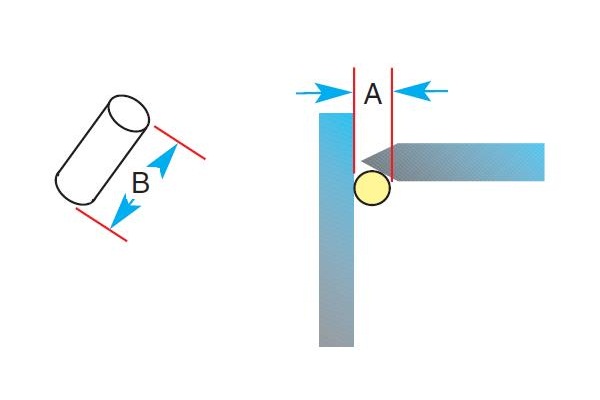
    Gullco Katbak 1G6-RD

    Specifications
    A 3/8 in
    9.5 mm
    B 1 in
    25.4 mm

    Brochures & Manuals

    BROCHURES & MANUALS
       View Brochure

    Ceramic Backing Tiles FAQs

    Straight answers to the questions people ask most when choosing and using ceramic weld backing tiles.

    Why use ceramic backing instead of a steel backing strip or welding from both sides?icon-minus-redicon-plus-red

    A steel backing strip stays in the joint, which can create a crevice, add weight and sometimes cause problems with fatigue or corrosion, and it must be the right material. Welding from both sides means turning the work, back gouging or grinding the root, and welding again.

    Ceramic tiles are removed afterwards, leaving a clean, smooth root without the extra steps or a permanent strip. Whether ceramic backing is allowed for a job is set by the welding procedure, so check what your specification permits.

    How do I choose the right tile shape and size?icon-minus-redicon-plus-red

    The tile shape controls the profile of the root bead, and it must suit the joint. Flat tiles, grooved tiles with a round or square channel, and tiles with different groove widths are made for different joint preparations, root gaps and plate thicknesses. Some are designed for corner or fillet joints, and others for curved surfaces.

    The tile maker's guidance links each tile to the root gap and bevel it was designed for, so match the tile to your joint preparation and welding procedure. If you are unsure, ask the maker or our team.

    Why is my root bead poor or not fusing at the edges?icon-minus-redicon-plus-red

    The usual causes are a root gap that is too narrow or wide for the tile, a tile that does not sit squarely under the joint, poor contact between the tile and the metal, or settings and technique that don't suit the joint. Lack of fusion at the edges can come from too low a current or travel that is too fast.

    Welding over damp tiles can cause porosity. Check the fit-up, the tile position and the foil seal, and prove the settings on a test piece before welding the real joint.

    How do I remove the tile after welding?icon-minus-redicon-plus-red

    Let the joint cool and then remove the foil tape and ceramic. The ceramic is brittle, so it usually breaks away with a light tap from a hammer or chipping tool. Wear eye protection, because ceramic fragments can fly.

    Clean away any remaining ceramic or residue, and inspect the root side of the weld. Follow the tile instructions on whether a tile can be used again. A light clean may be all the root needs, but the specification for the job decides what finishing is required.

    Shop Similar Categories